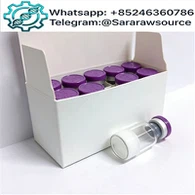




Pancragen (code name KEDW) is a synthetic tetrapeptide with the amino acid sequence lysine-glutamic acid-aspartic acid-tryptophan (Lys-Glu-Asp-Trp). It belongs to the organ-specific peptide bioregulatory class, primarily targeting the pancreas (β cells and acinar cells). Through epigenetic regulation of pancreatic gene expression, it repairs pancreatic islet function, balances blood sugar, and improves insulin sensitivity, earning it the title of "pancreatic anti-aging peptide."
Developed in the early 2000s by Professor Vladimir Khavinson's team at the St. Petersburg Institute of Bioregulation and Gerontology, Russia, it is the core product of their "organ-specific short peptide" system (similar products include Livagen and Epithalon).
Research Basis: Natural bioactive peptides were extracted from healthy bovine pancreatic tissue, screened, and chemically synthesized to obtain the KEDW sequence.
Original Name: Pancreatogen, later simplified to Pancragen.
Target Market: Used in Russia/Ukraine for metabolic health and diabetes management; circulated in Europe and America as a research-grade reagent.
Core Research (Khavinson Team)
Animal Experiments: Experiments on aged rhesus monkeys showed that Pancragen can restore glucose tolerance, increase insulin secretion, and lower fasting blood glucose, with effects superior to glimepiride.
Cellular Experiments: Activates islet differentiation transcription factors such as PDX1/NGN3/PAX6, promoting β-cell regeneration.
Small Human Trial (33 elderly patients with type 2 diabetes): Reduced fasting blood glucose, improved insulin resistance, decreased liver enzymes, and no serious side effects.
Market Updates (2020–2026)
European and American research brands (Cenexa, BioLongevity) launched 20mg/50mg lyophilized powders with a purity ≥95%, for research and adult health maintenance.
Oral formulation (Pankragen-Forte) was launched in Russia, 500 mcg/capsule.
Controversial Points: No large-scale double-blind clinical trials in Europe and America; not approved for pharmaceutical use by the FDA/EMA; only clinical application reports in Russia.
The effects are primarily based on "feelings and improved indicators," lacking long-term, solid data.
Sequence: Lys-Glu-Asp-Trp (KEDW)
Molecular Formula: C₂₆H₃₆N₆O₉
Molecular Weight: 576.25 Da
Purity: Research grade ≥95%, Health grade ≥98%
Dosage Form: Oral capsules (500 mcg/capsule), Lyophilized powder for injection (20 mg/vial)
Mechanism of Action: Penetrates pancreatic cell membrane → enters the nucleus → binds to the ACCT gene promoter sequence → activates pancreatic islet repair/insulin synthesis genes → enhances β-cell function and reduces insulin resistance.
Oral (Mainstream, Bioavailability ≈ 15%)
Standard: 500 mcg/day (1 capsule), on an empty stomach in the morning, 10 days as one course of treatment, 2–4 courses per year.
Intensive: 1000–1500 mcg/day, 3 weeks, stop for 2 weeks, cycle (suitable for high blood sugar/insulin resistance).
Injection (subcutaneous/intramuscular, research, bioavailability ≈90%)
Standard: 2–5 mg/day subcutaneous injection, 10 days; or 10 mg/day intramuscular injection, 10 days.
Cycle: One course of treatment every 3 months, avoid long-term continuous injections.
Highly targeted to the pancreas: Precisely acts on pancreatic β cells, repairing damage, promoting regeneration, and improving the quality of insulin secretion.
Blood sugar balance: Lowers fasting/postprandial blood sugar, improves insulin resistance, and reduces blood sugar fluctuations (suitable for prediabetes/type 2 diabetes).
Metabolic anti-aging: Delays pancreatic function decline, improves energy metabolism, lowers blood lipids, and reduces abdominal fat.
Oral efficacy: Resistant to intestinal peptidase degradation, stable orally, and with high compliance.
Safe and gentle: No serious toxic side effects in the short term (10–30 days), no addictive properties, and does not cause hypoglycemia.
Limited clinical evidence: No large-scale human trials in Europe and America; efficacy depends on subjective feelings and small sample indicators; lacks long-term data.
Relatively high price: 20mg injection $50–$70, oral capsules monthly fee $40–$60.
Slow onset of action: Noticeable effects in 2–3 weeks; not suitable for emergency treatment of acute blood sugar spikes.
High individual variability: Approximately 8% of users report mild dizziness, dry mouth, and bloating (mostly in the initial stages of oral administration).
Regulatory gap: Not a drug; no unified quality standards; market purity varies greatly.
Blood sugar management: Prediabetes, type 2 diabetes support, insulin resistance, metabolic syndrome.
Pancreatic care: Long-term high-sugar/high-fat diet, recovery period from chronic pancreatitis, post-pancreatic surgery care.
Anti-aging and Metabolism: Metabolic decline, sagging skin, decreased energy, and difficulty controlling weight are common among people aged 40+.
Fitness and Weight Loss: Long-term use of hormones/supplements can lead to insulin disorders, unstable blood sugar during muscle gain, and metabolic plateaus during weight loss.
Liver and Pancreas Combined Repair: Combined with Livagen, it improves fatty liver and abnormal blood sugar (core combination for metabolic syndrome).
Prediabetes: A 42-year-old male with a fasting blood glucose of 6.8 mmol/L, took 500 mcg/day orally for 30 days, and his blood glucose dropped to 5.4 mmol/L, with improved insulin resistance index.
Type 2 Diabetes (Mild to Moderate): A 55-year-old female, with medication and dietary control, still had blood glucose of 7.5–8.5 mmol/L. She took 1000 mcg/day orally for 4 weeks, and her blood glucose stabilized at 6.0–7.0 mmol/L, allowing for a reduction in her hypoglycemic medication dosage.
Metabolic Syndrome: A 48-year-old male with fatty liver, hyperlipidemia, and hyperglycemia was treated with 500mcg/day of oral medication plus Livagen for 3 courses. His fatty liver improved slightly to normal, his blood lipids decreased by 30%, and his blood sugar returned to normal.
(I) Dietary Restrictions
✅ Recommended: Low-GI carbohydrates (oatmeal/brown rice), high-quality protein (fish/eggs/soy products), high-fiber (leafy green vegetables/broccoli), antioxidant foods (blueberries/green tea) to stabilize blood sugar and reduce pancreatic burden.
❌ Avoid: High-sugar (milk tea/desserts), refined carbohydrates (white rice/white flour), fried/high-fat foods, and alcohol, as these can irritate the pancreas and worsen insulin resistance; avoid large amounts of coffee on an empty stomach, as this may exacerbate dizziness.
(II) Drug Interactions
Caution when using in combination with hypoglycemic agents (metformin/glimepiride/insulin): These may enhance the hypoglycemic effect; blood sugar monitoring is necessary to prevent hypoglycemia, and dosage reduction may be required.
Lipid-lowering drugs: Synergistically improve metabolism; blood lipids need to be monitored to prevent excessively low levels.
Corticosteroids: Antagonize pancreatic protective effects; must be taken at least 4 hours apart.
Contraindications: Type 1 diabetes, severe pancreatitis, pancreatic cancer, pregnant women, breastfeeding mothers, and those with allergies.
Important Disclaimer: The above information is compiled based on existing scientific literature and is intended for educational and informational
purposes only. Pancragen is not a drug and should not be used for self-treatment. Always consult a qualified healthcare provider before starting any peptide therapy regimen.
Hot Tags: Laboratory-grade peptides, Pancragen 20mg/vial, China Laboratory-grade peptides, Pancragen 20mg/vial manufacturers, suppliers, factory