

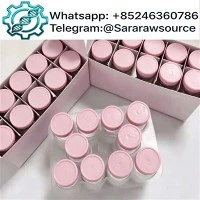


Livagen (code name KEDA) is a synthetic tetrapeptide with the amino acid sequence lysine-glutamic acid-aspartic acid-alanine (Lys-Glu-Asp-Ala). It belongs to the category of tissue-specific peptide bioregulators, primarily targeting the liver. Through epigenetic regulation of hepatocyte gene expression, it supports liver repair, detoxification, and anti-aging.
Developed in the 1990s by Professor Vladimir Khavinson's team at the Institute of Bioregulation and Gerontology, St. Petersburg, Russia, it is the core product of their "organ-specific short peptide" research system. Initially named Hepatogen, it was later renamed Livagen. In Russia and Ukraine, it is circulated as a dietary supplement and rehabilitation aid, while in Europe and America, it is mainly used as a research-grade reagent.
Core Research: Khavinson's team published animal and in vitro experiments demonstrating that it can improve liver function in aged rats, reduce liver fibrosis markers, and enhance the antioxidant capacity of hepatocytes.
Market Dynamics: From 2020 to 2026, several research peptide brands in Europe and America (such as RCpeptides and PrymaLab) will launch 20mg lyophilized powders with a purity ≥98%, for research and adult health use.
Controversy: There are no large-scale double-blind human clinical trials; the FDA/EMA has not approved it for pharmaceutical use; only a few clinical application reports exist in Russia.
Sequence: Lys-Glu-Asp-Ala (KEDA)
Molecular Formula: C₁₈H₃₁N₅O₉
Molecular Weight: 461.5 Da
Purity: Research grade ≥98%
Dosage Form: Oral capsules (200 mcg/capsule), injectable lyophilized powder (20 mg/vial)
Mechanism of Action: Penetrates the hepatocyte nucleus → binds to DNA → chromatin depolymerization → activates silent liver repair genes → enhances protein synthesis and detoxification enzyme activity.
Oral (Mainstream)
Standard: 200–400 mcg/day (1–2 tablets), on an empty stomach in the morning, 10 days as one course of treatment, 2–4 courses per year.
Intensive: 5–10 mg/day, 3–4 weeks, stop for 2–4 weeks, repeat cycle.
Injection (Subcutaneous/Intramuscular, Research)
Standard: 2 mg/day subcutaneous injection, 10 days; or 10 mg/day intramuscular injection, 10 days.
Bioavailability: Injection ≈90%, Oral ≈10%.
Strong Liver Targeting: Precisely targets liver cells, repairs damage, improves lipid metabolism, and reduces liver enzymes (ALT/AST).
Anti-aging: Activates telomerase, delays liver cell aging, and improves skin elasticity and vitality.
Oral Stability: Resistant to intestinal peptidase degradation, effective orally, with high compliance.
Safe and mild: No serious toxic side effects or addictive properties in the short term (10–30 days).
Metabolic support: Assists in the recovery from alcoholic/drug-induced liver injury and enhances detoxification ability.
Weak clinical evidence: No large-scale human trials in Europe and America; effects are more based on subjective perception and lack hard data.
High price: 20mg injection costs approximately $45–$60; oral capsules cost $30–$50 per month.
Slow onset of action: Requires 2–4 weeks to show effects; not suitable for emergency treatment of acute liver injury.
Large individual variability: Approximately 10% of users report anxiety, palpitations, and fatigue (mostly after injection).
Regulatory gap: Not a drug; no unified quality standards; market purity varies greatly.
Liver health: Assists in the recovery from fatty liver, alcoholic liver disease, drug-induced liver injury, and chronic hepatitis.
Anti-aging: Improves skin aging, boosts energy, and slows metabolic decline.
Metabolic management: Assists in the management of high uric acid, high blood lipids, and insulin resistance. Post-operative/Chemotherapy Recovery: Reduces liver burden and accelerates liver function repair.
For fitness enthusiasts: Protects liver and lowers enzymes for those using hormones/supplements long-term.
Fatty Liver: A 38-year-old male, after 30 days of oral administration of 400 mcg/day, experienced a decrease in ALT from 78 to 35, with mild fatty liver returning to normal.
Alcoholic Liver: A 45-year-old female, with a 10-year history of alcohol consumption, after 4 weeks of oral administration of 10 mg/day, experienced relief from dull pain in the liver area and improved energy.
Anti-aging: A 52-year-old female, after 3 courses of oral administration of 200 mcg/day, experienced reduced fine lines, improved sleep, and reduced fatigue.
(I) Dietary Restrictions
✅ Recommended: High-protein (fish/eggs/soy products), high-fiber (vegetables/whole grains), and antioxidant-rich foods (blueberries/green tea) to promote liver repair. ❌ Avoid: Alcohol, high-sugar, fried, spicy, and pickled foods, as these increase the burden on the liver; avoid large amounts of coffee on an empty stomach, as this may worsen palpitations.
(II) Drug Interactions
Use with Caution:
Hepatotoxic Drugs: Acetaminophen, anti-tuberculosis drugs, chemotherapy drugs, antiretroviral drugs (enhance liver protection, but liver enzymes need to be monitored).
Sedatives/Anxiety Medications: May amplify sedative effects; dosage needs to be reduced.
Hypoglycemic/Lipid-Lowering Drugs: Enhance metabolic regulation; blood glucose/lipid levels need to be monitored to prevent excessively low levels.
Contraindicated in: Pregnant women, breastfeeding mothers, those with severe liver failure, liver cancer, and those with allergies.
Hot Tags: Premium High-purity Peptides Livagen 20mg/vial, China Premium High-purity Peptides Livagen 20mg/vial manufacturers, suppliers, factory


