

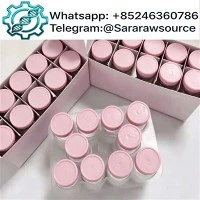


The KLOW product is essentially a "tetrapeptide in one bottle" created by forcibly adding KPV to the GLOW formula (GHK-Cu + BPC-157 + TB-500). It contains 50mg of GHK-Cu, 10mg of BPC-157, 10mg of TB-500, and 10mg of KPV, totaling 80mg of lyophilized powder. Research-grade channels call it KLOW, while some in the industry refer to it as "GLOW with an anti-inflammatory valve." The four peptides have a very wide molecular weight range (GHK-Cu tripeptide with copper, BPC-157 decapeptide, TB-500 thiopeptide, and KPV tripeptide). Premixing and lyophilizing can lock the ratio at 5:1:1:1, but at the cost of determining which peptides degrade first in solution and which slow down the process; the manufacturer won't specify this in the instructions.
Function and Mechanism of Action: Three-Dimensional Repair from Microscopic to Macroscopic Levels
The combination of these four peptides theoretically constructs a very precise synergistic network. BPC-157 (10mg) is a defensive peptide derived from gastric juice. Like a "construction maniac," it specifically promotes angiogenesis, accelerating the healing of muscles, tendons, and even the gastrointestinal mucosa. TB500 (10mg) is an active fragment of thymosin β-4, acting more like a "dispatcher," revitalizing damaged soft tissue by promoting cell migration and reducing inflammation.
Meanwhile, GHK-Cu (50mg) is a veteran in the anti-aging world. It carries copper ions deep into the dermis, aggressively stimulating collagen and elastin synthesis while also scavenging free radicals. KPV (10mg), as a fragment of α-melanocyte-stimulating hormone, is a powerful "fire extinguisher," precisely inhibiting inflammatory pathways and regulating local immunity. Combining them theoretically aims to repair internal damage, reduce inflammation, and achieve youthful, firm skin.
Objective Shortcomings
There has never been a combinatorial RCT for tetrapeptide co-dissolution. All "synergies" are mechanistic inferences pieced together from individual literature, and no one has compared it head-to-head with GLOW. The fixed 5:1:1:1 ratio strips away the independent titration right-when GHK-Cu copper loading reaches its limit and you need to reduce it but BPC/TB still need to be maintained, you can only stop the entire vial. BPC-157 and TB-500 are on the WADA S0 prohibited list; subjects who touched these vials tested positive immediately. There is a theoretical basis for the long-term continuous use of GHK-Cu leading to copper accumulation (metallic taste, abnormal liver enzymes, neurotoxicity), which is why the community protocol mandates a 4–6 week stop-2–4 week interval. Solution stability is determined by the most brittle TB-500 and KPV. A 30-day shelf life is often an optimistic estimate by manufacturers; in reality, 7–14 days is more stable.
Storage Conditions
Lyophilized Powder: -20℃, sealed, protected from light, and sealed with desiccant, 12–24 months; short-term storage at 2–8℃, do not exceed 6 months, do not place on the refrigerator door shelf. Before opening, allow to reach room temperature before puncturing the stopper to prevent condensation and hydrolysis. Reconstitution (sterile water/0.9% benzyl alcohol antibacterial solution, slowly push along the wall, gently rotate without shaking, absolutely no vortexing): 2–8℃, protected from light, 7–14 days is a conservative window, 28 days is the upper limit. Aliquot into smaller portions and do not repeatedly seal bottles. A pale blue-purple solution (GHK-Cu chromophore) is normal; discard if colorless/green/brown/turbid/flocculated. Discard solutions that have been frozen once-copper peptides are particularly sensitive to thermal cycling oxidation.
Hot Tags: high-quality combination peptide klow (bpc 157 10mg + ghk-cu 50mg + tb500 10mg + kpv 10mg), China high-quality combination peptide klow (bpc 157 10mg + ghk-cu 50mg + tb500 10mg + kpv 10mg) manufacturers, suppliers, factory


