
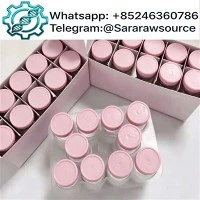


GHK-Cu is a naturally occurring copper peptide complex. It consists of three amino acids (glycine-histidine-lysine) bound to a copper ion. GHK-Cu was initially found in human plasma, but is also present in saliva and urine, with concentrations decreasing significantly with age.
Its primary function in the body is as a signaling molecule, meaning it helps regulate the activity of various cells and genes, prompting them to enter a repair and regeneration state.
Main Effects and Potential Benefits
GHK-Cu has a wide range of effects, primarily in tissue repair, anti-inflammation, and anti-oxidation. Most evidence comes from in vitro (laboratory) studies and animal models. Human data is more reliable in the skincare field, while human data is relatively limited for systemic (oral) applications.
1. Skin Health and Anti-aging (The Most In-Depth Research Area)
This is the area where GHK-Cu has the largest commercial application and scientific support.
● Promotes collagen and elastin production: It upregulates genes responsible for producing collagen, elastin, and glycosaminoglycans. This helps improve skin firmness and elasticity, and reduces the appearance of fine lines and wrinkles.
● Wound healing and tissue repair: It enhances the production of key components of the extracellular matrix and promotes cell migration to the wound site, thereby accelerating the healing process.
● Antioxidant: Protects skin cells from damage caused by free radicals and UV radiation.
● Anti-inflammatory: Reduces excessive inflammation, a key factor leading to skin aging and damage.
● Improves skin texture and tone: Known for improving skin firmness, reducing photodamage and pigmentation, resulting in a more even and youthful appearance.
2. Anti-inflammatory and antioxidant effects
● GHK-Cu can regulate the body's inflammatory response and reduce the production of pro-inflammatory cytokines such as TNF-α. This systemic anti-inflammatory effect is being investigated for broader applications beyond skin health.
● It effectively scavenge harmful free radicals, protecting cells and DNA from oxidative stress damage.
3. Hair growth
● Some studies suggest that GHK-Cu can stimulate hair follicles and promote hair growth. Therefore, it is a common ingredient in hair growth serums and shampoos.
4. Nerve and Brain Cell Protection
● Studies have shown that GHK-Cu can promote the growth of neurites (the processes of nerve cells), suggesting a potential role in nerve regeneration and protection. This is significant for neurodegenerative diseases, but is currently in the early stages of research.
5. Promoting Angiogenesis
● It can stimulate the formation of new blood vessels (angiogenesis), which is crucial for delivering oxygen and nutrients to healing tissues.
6. Potential Anti-Cancer Properties (Preclinical Studies)
● Interestingly, some laboratory studies have shown that GHK-Cu can inhibit the growth of certain cancer cells (such as lung cancer and breast cancer) and promote the differentiation of malignant cells into normal healthy cells. However, it must be noted that this is still in a very preliminary stage and is not a current treatment method.
7. Pain Relief
● Its anti-inflammatory properties may help relieve pain, especially pain associated with inflamed tissue.
Whatsapp: +85246360786
sararaws128@gmail.com