

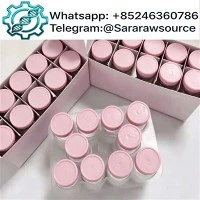


IGF1-LR3 is a formidable player among peptide raw materials. It's an artificially modified, long-acting version of insulin-like growth factor-1 (IGF-1). By adding 13 amino acids to the N-terminus and replacing the third glutamic acid with arginine, it transforms itself into a free-floating behemoth that almost completely avoids binding to IGF-binding protein (IGFBP). Simply put, while most natural IGF-1 is bound and unable to function in the body, IGF1-LR3 remains free-floating, specifically targeting IGF-1 receptors and aggressively attacking them. Its half-life has been extended from a few minutes to 20-30 hours, making it particularly useful in the lab for tracking long-term anabolic pathways.
Core Functions:
Directly promotes skeletal muscle cell proliferation and differentiation, inhibits muscle protein breakdown, significantly increases muscle mass and strength, and improves muscle atrophy caused by aging and injury.
Accelerates the healing of tendons, ligaments, soft tissues, and skin wounds, speeds up the regeneration of damaged cells, and shortens the repair cycle of various strains and wounds.
Regulates fat metabolism, assists in the breakdown of excess subcutaneous and visceral fat, and simultaneously improves the metabolic slowdown caused by high-fat diets.
It nourishes cartilage and bone cells, promotes osteoblast activity, and slows down articular cartilage wear and bone density loss.
It enhances cellular antioxidant capacity, reduces apoptosis caused by oxidation and toxins, and offers some protection against minor organ damage.
Core Advantages:
Long-lasting modified structure; in vivo degradation rate is much slower than ordinary IGF-1, allowing for longer dosing intervals and reducing stress on experimental animals from repeated procedures.
It acts directly on target cells throughout the body, without stimulating the pituitary gland and causing no associated cortisol or prolactin imbalances, resulting in less interference with endocrine data.
It offers a triple effect of muscle building, repair, and fat regulation; a single peptide can perform multi-group testing of muscle, wound, and lipid metabolism indicators without the need for multiple reagent formulations.
It is water-stable and completely dissolves in neutral sterile PBS buffer without precipitation, simplifying preparation for cell culture and subcutaneous animal injection.
There is a large body of mature dosage literature on animal models related to muscle atrophy, trauma, and age-related decline, with stable and repeatable experimental data, providing ample evidence for research papers.
Storage Conditions
Lyophilized Powder: Long-term storage requires -20°C or lower (even -80°C), sealed, protected from light, and with a desiccant to prevent moisture. This will ensure stability for 24–36 months. For short-term storage (within a few weeks), it can be refrigerated at 2–8°C, but avoid prolonged storage. Exposure to room temperature and moisture will render it unusable.
After Reconstitution: Refrigerate at 2–8°C. Never refrozen (unless a preservative such as BSA or trehalose is added and strictly aliquoted). Use within 2–30 days. It is recommended to aliquot into single-use portions to reduce contamination from opening and repeated freeze-thaw cycles.
Precautions
Reconstitution requires careful handling: After removing from the freezer, allow to warm to room temperature before opening to prevent condensation backflow. Slowly slide the solvent down the bottle wall, gently swirling or rolling to dissolve. Vigorous shaking/Vortexing is strictly prohibited, as foaming and shear forces will break and inactivate the peptide chains. Sterile water, acetic acid solution, or partial buffer solution can be used. If necessary, add a small amount of BSA for protection.
Strictly adhere to legal red lines: This compound is for laboratory research only and has not been approved by the FDA/EMA for human treatment. It is strictly prohibited for human or animal consumption, injection, or clinical trials. When handling it, follow laboratory safety regulations and wear appropriate protective gear.
Be aware of the risks: Studies suggest that long-term high doses may disrupt blood sugar levels (hypoglycemia or insulin resistance), and there are theoretical concerns about its potential to promote tumor cell proliferation. Discard any solution that becomes cloudy, discolored, or contains suspended particles immediately; don't gamble with data. WADA has listed it on its prohibited list, and athletes and related models should exercise extreme caution.
Hot Tags: High-Purity Research-Grade Peptide Powder IGF1-LR3, China High-Purity Research-Grade Peptide Powder IGF1-LR3 manufacturers, suppliers, factory, 99 Purity TB500 Synthetic Peptide Raw Material Powder, Factory Supply AOD9604 Peptide Raw Material Research Reagent, Factory Supply BPC157 Peptide Raw Material In Stock, High Purity Peptide Raw Material CJC1295 with DAC For Research, PT141 High Purity Peptide Raw Material For Lab Research, raw powder


