

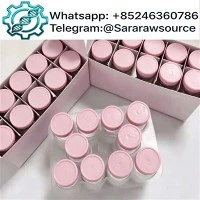


Humanin peptide (HN) is a mitochondrial-derived peptide (MDP) composed of 24 amino acids. It belongs to the endogenous cytoprotective factors and is considered one of the "longevity peptides." Naturally present in human mitochondria, it can circulate throughout the body via the bloodstream. Its core functions include anti-apoptosis, anti-oxidation, anti-inflammation, metabolic regulation, and neuroprotection, primarily targeting anti-aging, cognitive maintenance, and metabolic optimization.
Discovered in 2001 by the team of **Ikuo Nishimoto** at Keio University School of Medicine in Japan during Alzheimer's disease research.
While screening for survival factors that protect neurons from β-amyloid toxicity, this peptide was identified as being encoded by the mitochondrial **MT-RNR2 (16S rRNA)** gene, overturning the previous understanding that mitochondria are only responsible for energy metabolism.
Subsequent confirmation showed it to be a longevity biomarker: plasma humanin levels in centenarians and their descendants are significantly higher than in the general population, and levels naturally decline with age.
Chinese Name: Humanin Peptide
English Name: Humanin (HN)
Amino Acid Number: 24 aa
Amino Acid Sequence: MAPRGFSCLLLLTSEIDLPVKRRA
Encoding Gene: Mitochondrial DNA MT-RNR2 (16S rRNA)
Molecular Weight: Approximately 2.7 kDa
Half-Life: Natural HN 0.5–4 hours; **HNG (S14G-Humanin)** analogs show significantly prolonged activity
Purity: ≥98% (Research Grade)
Dosage Form: Lyophilized powder (commonly 5 mg/vial)
Appearance: White, loose powder
Solubility: Soluble in water for injection/antibacterial water
1) Natural Humanin (HN)
Subcutaneous Injection (SC): 1–5 mg/day, once daily; it is recommended to start with 1 mg and gradually increase the dose.
Cycle: 4–8 weeks per cycle, repeatable after a 2–4 week break.
Intranasal administration: 0.5–2 mg/day, divided into 1–2 doses, suitable for neuroprotective applications.
2) HNG (S14G-Humanin, a highly active analogue) Approximately 1000 times more potent than natural HN, dosage unit is micrograms (μg).
Subcutaneous injection: 50–200 μg/dose, 2–3 times per week.
Potential anti-apoptosis: Directly binds to pro-apoptotic proteins such as BAX and BID, blocking mitochondrial apoptosis pathways and reducing cell death.
Neuroprotection: Antagonizes β-amyloid toxicity, protects neurons, improves memory and cognition, and delays neurodegenerative diseases.
Antioxidant and anti-inflammatory: Reduces ROS and alleviates oxidative stress; inhibits inflammatory pathways such as NF-κB, reducing systemic inflammation levels.
Metabolic Regulation: Enhances insulin sensitivity, protects pancreatic β cells, lowers blood sugar, improves lipid profile, and reduces visceral fat.
Cardiovascular Protection: Reduces vascular endothelial damage, combats atherosclerosis, improves myocardial function, and reduces ischemia-reperfusion injury.
Longevity and Anti-aging: Activates survival pathways such as STAT3, ERK, and AKT, extending healthy lifespan and delaying age-related decline.
Skeletal Protection: Inhibits osteoclast activity, increases bone density, and reduces the risk of osteoporosis.
Multi-target broad-spectrum protection: Acts simultaneously on the nervous, metabolic, cardiovascular, and skeletal systems, providing comprehensive anti-aging benefits.
Mitochondrial Targeting: Directly targets the core of aging-mitochondrial functional decline-repairing energy metabolism and reducing oxidative damage.
Endogenous Homologous Form: Naturally present in the human body, with good tolerance and low immunogenicity.
Clear Longevity Correlation: High levels in centenarians, declining during aging, supplementing reversible age-related deficiencies.
Solid Research Evidence: Multiple animal experiments show extended lifespan and improved health indicators; human studies demonstrate good safety.
Insufficient long-term human data: Most studies are preclinical; long-term safety and efficacy require large-scale validation.
Potential cancer-promoting risk: The anti-apoptotic mechanism may protect cancer cells, theoretically increasing the risk of tumor progression; contraindicated in cancer patients.
Affects growth factor signaling: Regulates the IGF-1 pathway, potentially interfering with puberty development or tumor growth.
Common minor side effects: Redness and swelling at the injection site, itching; high doses may cause mild fatigue, nausea, headache, and hypoglycemia.
Not approved by drug regulatory authorities: No formal clinical drug approval worldwide; only used as a research reagent/experimental supplement.
Anti-aging and longevity: Individuals over 40 years of age; delays aging, enhances energy, and improves skin condition.
Cognitive maintenance: Individuals with memory decline, attention deficit, or a family history of Alzheimer's disease.
Metabolic syndrome: Insulin resistance, type 2 diabetes, obesity, hyperlipidemia, fatty liver.
Cardiovascular health: Hypertension, coronary heart disease, arteriosclerosis, and recovery from myocardial infarction/cerebral infarction.
Neurodegenerative diseases: Alzheimer's disease, Parkinson's disease, mild cognitive impairment (for research purposes).
Chronic inflammatory states: Autoimmune diseases, chronic fatigue syndrome, individuals under chronic stress.
Bone health: Osteoporosis, post-fracture repair, menopausal bone loss.
Absolute contraindications: **Patients with malignant tumors, pregnant women, breastfeeding women, and adolescents (under 18 years of age)** are prohibited from use.
Contraindications with caution: Individuals with hypoglycemia, diabetes (prone to hypoglycemia), autoimmune diseases, or coagulation disorders should consult a physician.
Dosage guidelines: Reconstitute the lyophilized powder with antibacterial water/sterile water for injection, and use immediately after preparation.
Subcutaneous injection is preferred on the abdomen and lateral thigh; rotate injection sites to reduce irritation.
Cycle management: Continuous use should not exceed 8 weeks; a 2–4 week break is required to avoid receptor desensitization.
Combined use: Avoid combined use with chemotherapy drugs, immunosuppressants, and growth hormones to prevent antagonism or risk aggregation.
Monitoring indicators: Regularly check blood glucose, insulin, blood lipids, liver and kidney function, and inflammatory factors.
Compliance notice: This product is a research-grade reagent, not a drug/health product, and is for in vitro research or experimental human use only. It cannot replace drug treatment.
Hot Tags: High-quality peptide drug Humanin 10mg/vial, China High-quality peptide drug Humanin 10mg/vial manufacturers, suppliers, factory


