

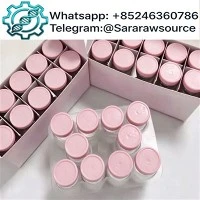


When you unscrew the cap of this complex peptide, you might see a slightly bluish-green lyophilized powder-that's the copper ions from GHK-CU "greeting" you. This isn't just a random mixture; in the field, it's called KLOW Blend, some call it a "liquid scalpel," and others consider it a very comprehensive "all-rounder" combination in current regenerative medicine research. Let's break it down and take a closer look.
These four components have different backgrounds, but they're put together to work synergistically:
BPC 157: A protective protein fragment derived from human gastric juice, it first gained attention in early research on gastrointestinal mucosal protection and systemic tissue repair.
GHK CU: A blue copper tripeptide isolated from human plasma by Dr. Loren Pickart in 1973. Its levels decrease with age, and it primarily regulates collagen synthesis and gene expression.
TB500: The active fragment of thymosin Beta-4, naturally present in cells, regulating the migration and arrangement of the cytoskeleton (actin).
KPV: The three amino acids at the terminal end of α-melanocyte-stimulating hormone (α-MSH), specifically responsible for calming inflammatory signals (such as inhibiting the NF-κB pathway).
Formula: BPC 157 (10mg) + GHK CU (50mg) + TB500 (10mg) + KPV (10mg), total weight 80mg.
Appearance: White or pale blue lyophilized powder, sensitive to light, heat, and moisture.
State: Receives as dry powder; must be reconstituted with antibacterial water (BAC water). After reconstitution, it usually has a pale blue or pale purple tint; this is the normal color of copper peptides and not contamination.
The logic is clear: When injured or aging, the body often gets stuck in the "inflammation" or "uncontrolled scarring" stage. This formula attempts to advance simultaneously across four dimensions:
First, suppress excessive inflammatory factors (KPV): Immediately suppresses excessive inflammatory factors (TNF-α, IL-6, etc.), clearing obstacles for repair and preventing chronic inflammation from hindering the process.
Security and Reconstruction (GHK CU): Activates matrix metalloproteinases to clear damaged old collagen, while simultaneously signaling for the growth of new collagen and elastin, and promoting angiogenesis (bringing nutrients).
Transportation and Restructuring (TB500): Regulates the cytoskeleton, acting like a traffic coordinator to direct repair cells and stem cells to the "construction site" (the wound).
Protection and Support (BPC 157): Provides protection throughout the entire process, protecting the gastrointestinal mucosa, promoting the healing of soft tissues such as tendons and ligaments, and regulating the nitric oxide pathway to stabilize blood flow.
Reconstitution: Generally, add 2mL or 4mL of antibacterial water to an 80mg bottle (e.g., adding 4mL results in a concentration of 20mg/mL). Inject slowly along the wall of the syringe, gently shake to dissolve, avoid vigorous shaking to prevent foaming.
Dosage Reference: In research models, the common starting dose is 250mcg ~ 500mcg (0.25-0.5mg) mixture/day, subcutaneously; there are also regimens up to 1-2mg/day, depending on your research protocol.
Cycle: Usually 4-12 weeks, with the frequency reduced for maintenance later.
Storage: Unopened powder -20°C frozen; after thawing, refrigerate at 2-8°C, use within 4 weeks if possible, avoid repeated freeze-thaw cycles.
Multi-target coverage: Unlike single peptides that only do one thing, it simultaneously addresses anti-inflammation, matrix remodeling, cell migration, and tissue protection, theoretically more comprehensive than single-target peptides.
Systemic + Local: It can address both systemic low-grade inflammation and the gut, and also support the repair environment of specific soft tissues and skin.
Convenient mixing: Premixed ratios (especially high-dose GHK-CU) save you the trouble of shaking multiple bottles yourself.
But don't overlook these points:
Human data gap: Similar to the peptides discussed earlier, solid human clinical data for this specific four-in-one compound formula is still very limited, with most studies relying on animal or in vitro research.
Injection experience: The compound formula may increase the probability of local irritation. For example, high doses of GHK-CU may occasionally cause skin blue staining or stinging, while TB500 may sometimes cause induration at the injection site or temporary fatigue.
Individual differences: Everyone's baseline inflammation and type of injury are different, leading to variations in perceived effects; it's not a universal solution.
Laboratory projects researching tissue regeneration, wound healing, inflammation regulation, and muscle/tendon/skin repair mechanisms.
Personal exploration (again, emphasizing that this is currently a cutting-edge/research material), often seen among those focusing on sports recovery, chronic soft tissue discomfort, intestinal barrier support, and collagen maintenance for anti-aging, discussing cutting-edge health management.
Strict Rules
Strict Research/Non-Clinical Use: Legitimate channels specify "for research use only." Do not confuse this with prescription drugs or regular supplements.
Sterility is Paramount: Reconstitution must be done with sterile antibacterial solution, using a new insulin needle, and at a different injection site (abdomen, outer thigh, etc.). Disinfect the skin with alcohol.
Contraindications: Pregnant or breastfeeding women, those with active malignant tumors, those with immunosuppression, and those sensitive to the ingredients should avoid this product.
Reliable Sources: Always use legitimate reagent-grade sources with a Certificate of Analysis (COA, HPLC/Mass Spectrometry). Avoid unlabeled or impure products.
Body Signals: If persistent redness and swelling, rash, palpitations, or other discomfort occur, do not attempt to treat it; stop immediately.
For example,
In preclinical models, researchers have observed wound healing using similar combinations: KPV first suppresses the inflammatory storm, GHK-CU and BPC 157 improve the local microenvironment and blood supply, and TB500 accelerates the migration of fibroblasts, often resulting in faster healing and more orderly scar tissue arrangement. However, these conclusions are currently mainly based on laboratory or animal studies. Whether they will work exactly as expected in humans requires further research.
Ultimately, this KLOW complex is like a four-person special forces team, each with specialized weapons, all with the same goal: to bring the vicious cycle of "recurring inflammation, poor healing, and crooked scarring" back into an orderly repair rhythm. Curiosity is fine, but you must maintain a balance-cutting-edge research is one thing, but caution and respect for biological complexity should always come first.
Hot Tags: Peptide drug BPC 157 10mg + GHK-CU 50mg + TB500 10mg + KPV 10mg, China Peptide drug BPC 157 10mg + GHK-CU 50mg + TB500 10mg + KPV 10mg manufacturers, suppliers, factory


