

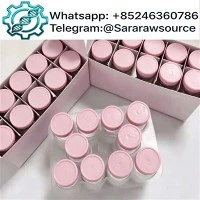


Proper Storage of Peptide Powder: A Practical Guide to Locking in Activity and Preventing Deterioration
Peptides, as small-molecule active raw materials, are inherently more stable than most bioactive components. However, they are highly susceptible to the effects of temperature, humidity, light, and repeated handling, leading to oxidation, degradation, inactivation, and decreased purity. Many people experience decreased effectiveness, cloudy solutions, and reduced activity from peptide powder, which is usually not due to product quality issues but rather improper storage and handling methods.
To preserve the complete activity of peptides and extend their shelf life, simply follow targeted storage guidelines, differentiate between unopened dry powder and reconstituted solutions, and adhere to basic operational precautions to minimize losses.
I. Unopened Lyophilized Peptide Powder: The Core Method for Long-Term Storage
Commercially available research-grade peptides are all in vacuum lyophilized powder form. This is the most stable and suitable state for long-term storage. The core storage principles are low temperature, dryness, protection from light, and airtight sealing.
For standard long-term storage (several months to two years), a -20°C freezing environment is preferred. Seal the original bottle tightly and place it in a light-proof storage box or inside a refrigerator, away from the refrigerator door, air vents, and other areas with large temperature fluctuations. This temperature effectively inhibits peptide oxidation, microbial growth, and molecular degradation, maximizing the preservation of biological activity. For ultra-long-term storage, a -80°C environment can be used, achieving stable preservation for several years, suitable for laboratory bulk preparation and long-term inventory storage.
For short-term transitional storage (use within 1–2 months), it can be placed in a refrigerated environment at 2–8°C. Special note: Do not open the bottle immediately after removing the peptide powder from a cold environment. Temperature differences will cause condensation inside the bottle; the peptide powder will absorb moisture and quickly clump and degrade, significantly shortening its shelf life. The correct approach is to allow it to warm to room temperature until the bottle temperature equals room temperature before opening and using.
Ambient temperature is only suitable for short-distance transportation and is absolutely unsuitable for long-term storage. Moisture and light at room temperature will continuously damage the peptide structure. While the changes may not be visible to the naked eye, the activity will steadily decline, directly affecting the effectiveness of the product.
II. Reconstituted Peptide Solutions: Short-Term Storage Guidelines
Once peptides are reconstituted with water, their stability decreases significantly. Losing the protection of their lyophilized form, they are highly susceptible to bacterial contamination and oxidative decomposition. The storage logic is completely different from that of dry powder.
Reconstituted peptide solutions should be stored in a sealed container at 2–8°C, protected from light, and used within 30 days. If the liquid becomes cloudy, discolored, or develops sediment during storage, it indicates that the components have deteriorated and should be discarded immediately; do not continue using it.
Here is a crucial practical tip: Repeated freeze-thaw cycles are strictly prohibited after reconstituted peptides. Many people habitually freeze prepared solutions and use them in installments. Repeated temperature fluctuations directly damage the peptide molecular structure, leading to rapid loss of activity, which is one of the core reasons for peptide failure. If preparing a large quantity for a single use, it is recommended to pre-divide the solution into smaller portions according to the single application amount, using only what is needed. Unused portions can be sealed and refrigerated.
In addition, peptides containing specific amino acids, such as those with cysteine, methionine, and tryptophan, have weaker antioxidant capabilities and extremely poor stability after reconstitution. It is recommended to prepare and use them immediately to minimize oxidative inactivation.
III. Common Misconceptions to Avoid During Storage
Most peptide losses stem from seemingly insignificant operational details. The following misconceptions must be strictly avoided:
First, avoid prolonged open storage. Peptide powder has a strong adsorption capacity; open storage will quickly absorb moisture and impurities from the air, easily leading to clumping and spoilage, as well as bacterial growth and degradation of the raw material's purity. After each use, the cap must be immediately tightened and the container sealed tightly.
Second, keep away from light and high temperatures. Ultraviolet light and high temperatures can directly break the peptide molecular chains, causing irreversible damage to activity. All peptides should be stored away from direct sunlight, heat sources such as stoves and heaters.
Third, do not mix storage containers. Use the original product vials or sealed bottles for storage whenever possible. Do not arbitrarily replace them with ordinary plastic bottles or open containers to avoid material reactions or improper sealing leading to spoilage. Fourth, differentiate between dry and humid storage environments. The refrigerator's crisper drawer has high humidity, and unsealed peptide powder is highly susceptible to moisture absorption. Ensure bottles are sealed and store with a desiccant to maintain a dry environment.
IV. Practical Inventory Management Tips
For scenarios involving bulk stockpiling and long-term storage, simple management methods can significantly reduce loss rates. Upon receiving goods, promptly label the product name and storage date, adhering to the first-in, first-out (FIFO) principle. Store long-term unused peptide powder in light-proof, sealed boxes in the freezer to minimize temperature fluctuations caused by opening and closing the refrigerator. Regularly check inventory status and promptly dispose of spoiled or expired materials.
Summary The core logic of peptide storage is simple: dry powder is sealed at low temperatures to lock in activity; solutions are refrigerated and repackaged to prevent spoilage; and the three major sources of loss-temperature difference, humidity, and light-are eliminated. Strictly following these methods, conventional freeze-dried peptide powder can be stably stored for over 24 months, and reconstituted solutions can maintain a long-term clean and highly active state, perfectly suited for laboratory research, raw material stockpiling, and daily maintenance needs.