

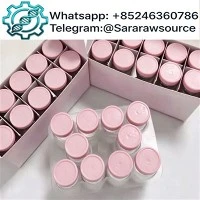


In the gray area of regenerative medicine, a peptide combination known as "Glow" or "Klow" is replacing "Wolverine" as the new buzzword. A typical formulation of this combination is GHK-Cu 50mg, BPC-157 10mg, and TB-500 10mg, packaged as lyophilized powder in the same vial. Its core concept is not simply stacking three molecules, but rather attempting to construct a systemic repair network covering angiogenesis, cell migration, and matrix remodeling through mechanistic complementarity.
I. The Molecular Logic of a Trinity The three members of this combination each play a specific role, acting on different aspects of tissue repair:
BPC-157 (Body Protective Complex-157): A 15-fifteen-peptide derived from pepsin. In experimental models, it accelerates angiogenesis by upregulating vascular endothelial growth factor (VEGF), rebuilding nutrient pathways for damaged tissue. Within the framework of regenerative medicine, it is considered a "broad-spectrum repair coordinator"-covering multiple systems including tendons, ligaments, the gut, and neuroinflammation.
TB-500 (thymosin β4 synthesis fragment): Promotes the migration and survival of repair cells by binding to actin monomers. It acts as a "cell mobilizer"-guiding stem cells and repair cells to the site of injury while regulating cell motility and tissue structural flexibility.
GHK-Cu (copper peptide): A copper-binding tripeptide naturally found in human plasma. Its unique feature lies in its broad gene regulatory capacity-it can regulate over 4000 genes related to tissue repair, collagen synthesis, antioxidant defense, and anti-inflammation. In animal models, GHK-Cu exerts a skeletal muscle protective effect by activating SIRT1, while simultaneously promoting fibroblast-driven collagen and elastin synthesis.
The theoretical logic behind the synergy of these three components is: BPC-157 "paves the way" (establishes blood supply), TB-500 "guides" (guides cells to the site), and GHK-Cu "builds" (reconstructs tissue structure).
II. Application Scenarios: From Skin Rejuvenation to Systemic Repair
The applications of this combination have been explored far beyond the narrow scope of "anti-wrinkle":
Skin Firming and Brightening: Improves skin texture and reduces fine lines by promoting collagen and elastin synthesis. Some users have reported a visible "glossy" effect within 2 to 8 weeks.
Post-operative and Injury Recovery: Supports soft tissue healing and is used as an adjunct recovery strategy for orthopedic injuries (tendon tears, ligament injuries, joint degeneration).
Systemic Inflammation and Gut Repair: When used in combination with anti-inflammatory peptides such as KPV, it can act on the repair of intestinal barrier integrity and the regulation of systemic inflammation.
It is worth noting that some users have reported significant improvement in "aging leg skin" within 4 weeks after using this combination, but improvement in joint pain is not always synchronized.
III. Prescription and Procedure: Key Details from "Little-Known Facts"
1. Ratio and Cycle
A common regimen is: GHK-Cu 1–2 mg daily, BPC-157 250–500 mcg daily, TB-500 2–2.5 mg weekly (divided into two doses), injected 2–5 times weekly, typically for 4–8 weeks, followed by a withdrawal period.
2. The "Stinging" Issue with GHK-Cu
Subcutaneous injection of GHK-Cu is often accompanied by significant pain or nodular reactions at the injection site, which users refer to as "sting." One view is that combined injections can dilute this effect, but according to actual feedback, mixing BPC-157 and TB-500 does not significantly reduce the stinging caused by GHK-Cu. Some users abandon the treatment due to severe reactions, while others try to alleviate the pain by increasing the dilution volume or changing the injection site.
3. Key Points for Reconstitution
Due to the high total peptide content per vial (50+10+10 = 70mg) and the presence of copper ion complexes, reconstitution requires slow injection of the solvent along the vial wall rather than direct impact on the powder bed. Vigorous shaking should be avoided to prevent peptide chain breakage, and sufficient time must be allowed for the lyophilized product to completely dissolve into a clear, pale blue liquid.
IV. Counterstatements Regarding Risks and Uncertainties
The widespread use of this combination has raised several unaddressed concerns:
1. Weak Evidence Base
A 2026 review in sports medicine clearly states that BPC-157 shows potential in tendon and muscle repair, but most of these findings have not been validated in human trials; similarly, human orthopedic data for TB-500 are lacking. The FDA has included GHK-Cu injection, BPC-157, and TB-500 on its list of substances raising safety concerns, citing reasons including immunogenicity risks, peptide-related impurities, and limited safety data.
2. Potential Risks of "Growth-Promoting" Theory
Both BPC-157 and TB-500 function by promoting angiogenesis, raising theoretical concerns that they might fuel existing microscopic tumors. While direct evidence is currently lacking that these peptides "initiate" new cancers, the bottom line often mentioned in clinician discussions is that "the risk is not entirely zero."
3. Stability Concerns with Mixed Formulations
Copper ions, as metal ions, may catalyze oxidation reactions that degrade other peptides in the same solution. Some experienced users therefore refuse to mix GHK-Cu with BPC-157/TB-500 in the same syringe, preferring to administer it in multiple injections.
Conclusion
The combination of BPC-157 + TB-500 + GHK-Cu represents a paradigm in the current peptide "stacking" culture: attempting to approximate the complexity of tissue repair through multi-target mechanistic complementarity, using a "systems engineering" approach. However, a significant gap exists between its widespread use and the limited clinical evidence. The "charm" of this combination lies in the high degree of self-consistency of its mechanistic narrative, while its "danger" lies in the fact that this narrative is almost entirely based on in vitro studies and anecdotal reports and has not yet been tested in rigorous human clinical trials.